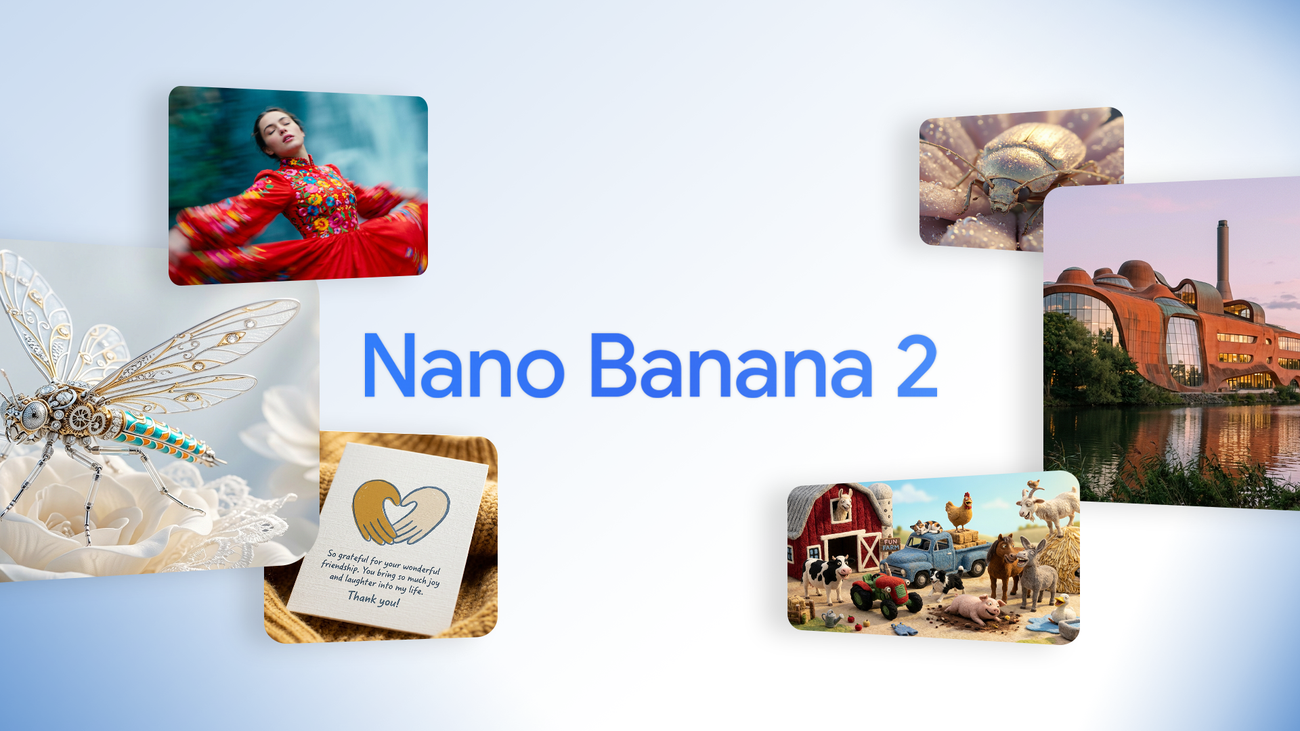
Microsoft Launches MAI-Image-2, Claims Top 3 Spot in Text-to-Image Generation
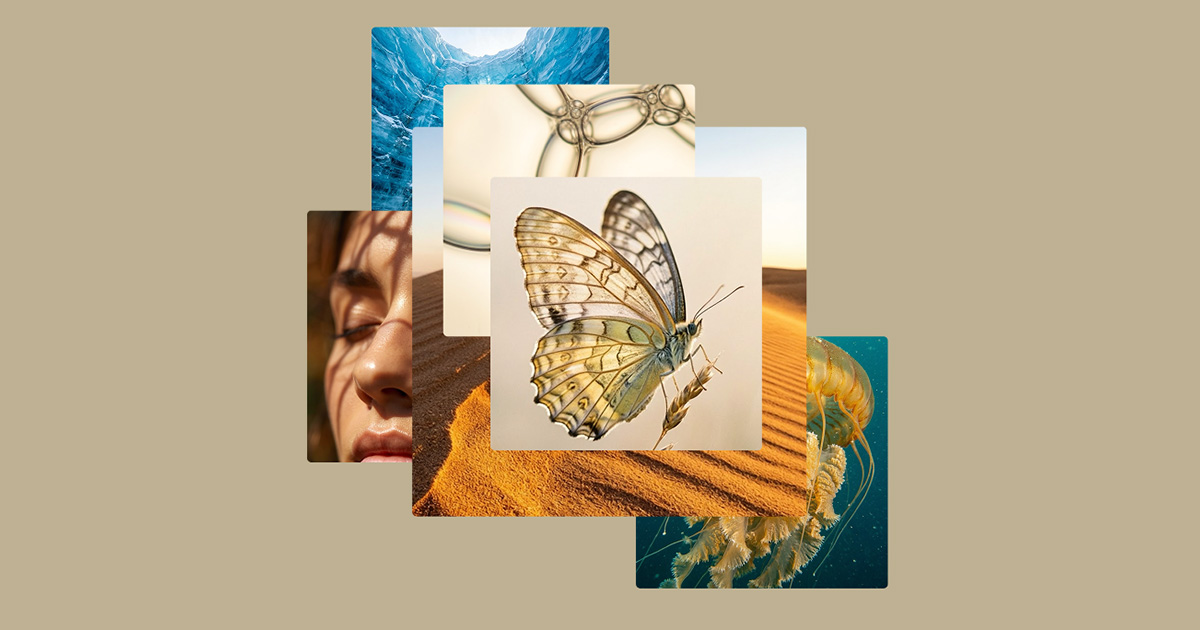
Microsoft has launched MAI-Image-2, the second generation of its text-to-image AI model, claiming a spot among the top three text-to-image labs in the world on the Arena.ai leaderboard. The model is rolling out now across Copilot and Bing Image Creator, with API access available for select enterprise customers.
Built for Creative Professionals
According to Microsoft's announcement, MAI-Image-2 was developed in close collaboration with photographers, designers, and visual storytellers. The Microsoft AI Superintelligence (MSI) team focused on three key areas that creative professionals identified as most important.
Enhanced photorealism is the headline improvement. The model produces images with natural lighting, accurate skin tones, and environments that feel lived-in — reducing the uncanny-valley artifacts that have plagued AI-generated imagery. Microsoft says this means creatives can "spend less time fixing in post-production and more time making."
Reliable text rendering addresses one of AI image generation's most persistent weaknesses. MAI-Image-2 can consistently generate readable text within images — enabling the creation of posters, infographics, slides, and diagrams with specific fonts, colors, and layouts. For designers who've struggled with garbled text in AI images, this is a significant practical improvement.
Rich scene generation rounds out the upgrade, with the model handling surreal concepts, ornate compositions, and cinematic scenes that push beyond standard photographic reproduction.
Competitive Positioning
By claiming the number three spot on Arena.ai's text-to-image leaderboard, Microsoft is signaling serious ambition in a space long dominated by Midjourney and Stability AI. The Arena.ai rankings are based on blind user comparisons — a methodology that has become the de facto standard for evaluating generative AI quality.
Microsoft's positioning is strategic. While OpenAI's DALL-E and Google's Imagen have both been strong competitors, MAI-Image-2 represents Microsoft building its own independent image generation capability through its MSI team, rather than relying on partners.
Availability and Access
The model is available immediately in the MAI Playground for experimentation. Consumer rollout through Copilot and Bing Image Creator is underway. Enterprise API access is currently limited to select customers like WPP, the global advertising company, with broader developer access coming through Microsoft Foundry.
The MSI team also teased future developments, noting that their "next-generation GB200 cluster is now operational" — suggesting more powerful models are in the pipeline. The team is actively recruiting, describing itself as a "lean, fast-moving lab" working on next-generation models.
The Bigger Picture
MAI-Image-2 represents Microsoft's growing investment in building its own AI models rather than exclusively licensing from partners like OpenAI. The MSI team — previously known for models like Phi and MAI-1 — is increasingly positioned as Microsoft's internal frontier AI lab.
For users, the practical impact is immediate: better image generation in tools they already use. For the industry, it's another signal that the text-to-image space is maturing rapidly, with major tech companies investing heavily in catching up to and surpassing specialized AI image startups.
Key Takeaways
- MAI-Image-2 ranks #3 on the Arena.ai leaderboard for text-to-image generation
- Major improvements in photorealism, text rendering, and complex scene generation
- Rolling out now in Copilot and Bing Image Creator
- API access available for enterprise customers, with broader developer access coming soon
- Built by Microsoft's AI Superintelligence team, signaling independence from OpenAI
- Next-generation compute infrastructure (GB200 cluster) already operational