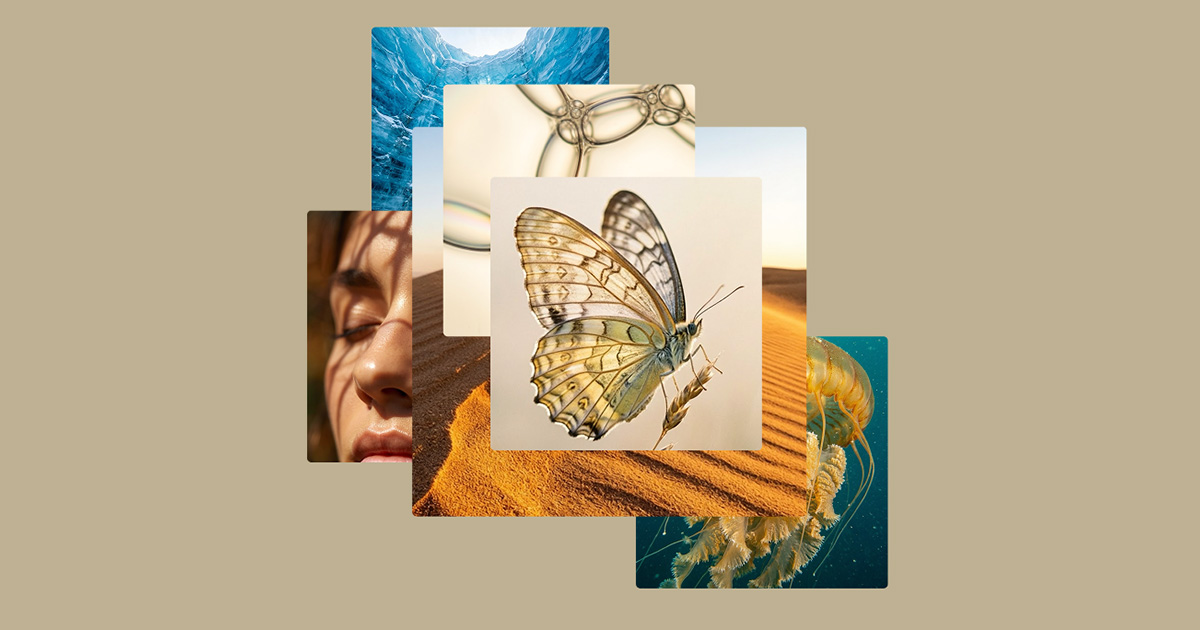
Google's Nano Banana 2 Brings Pro-Level Image Generation to Everyone — At Flash Speed
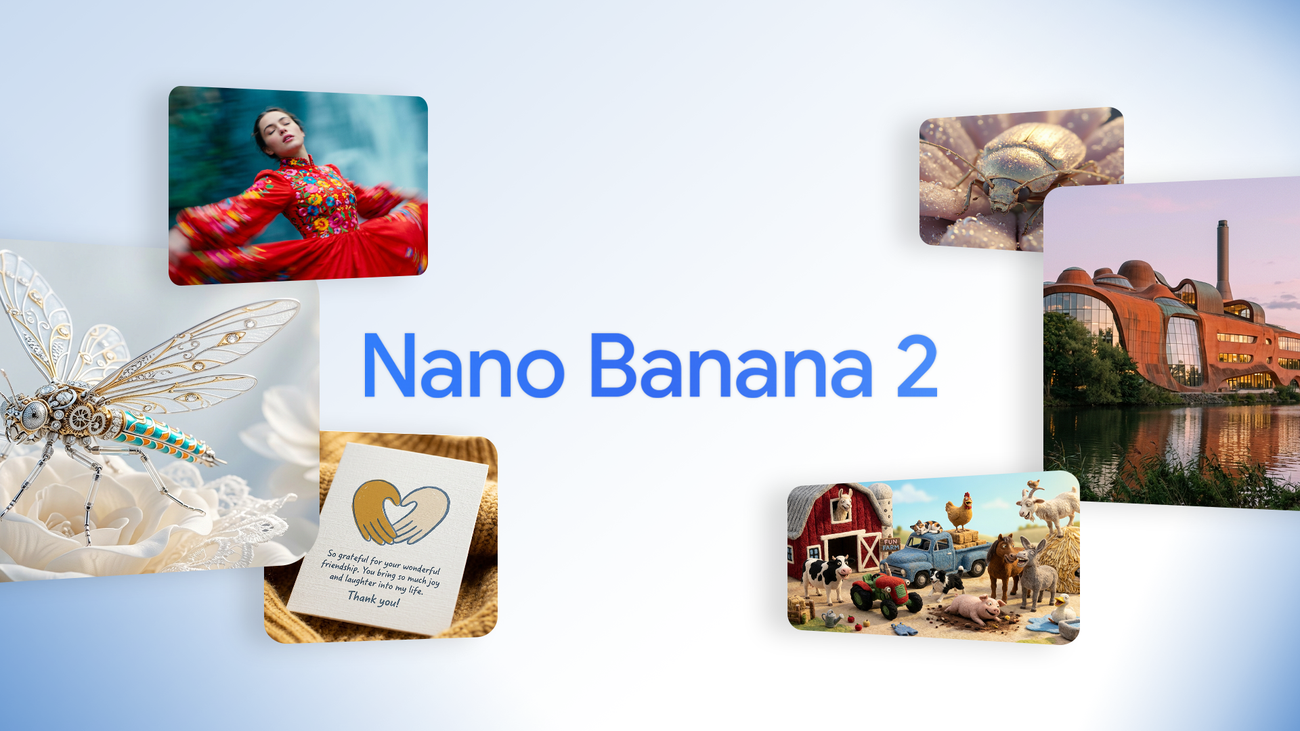
Remember when Google's original Nano Banana went viral last summer? People were generating images, editing photos mid-conversation, and turning Gemini into their personal art studio. Then came Nano Banana Pro in November — more capable, but slower and locked behind premium tiers. Google just solved that tradeoff. Nano Banana 2, announced February 26, takes everything people loved about Pro and runs it at Flash speed.
The Best of Both Worlds (No, Really)
The AI image generation space has a familiar pattern: better quality means slower generation. DALL-E 3 is gorgeous but takes its time. Midjourney v6 is stunning but you're waiting in a queue. Stable Diffusion 3 is fast if you have the hardware, but quality varies. Google's been running two separate image models — one for speed (Nano Banana) and one for quality (Nano Banana Pro) — and finally asked the obvious question: why not both?
Nano Banana 2, technically named Gemini 3.1 Flash Image, merges the advanced world knowledge and visual fidelity of Pro with the rapid generation speed of Flash. Think of it like a sports car that somehow gets SUV gas mileage — the engineering compromise that usually forces you to pick one or the other simply... doesn't apply here.
The practical impact is immediate. Rapid editing and iteration — the kind where you generate an image, tweak the prompt, regenerate, adjust the framing, regenerate again — becomes fluid rather than frustrating. What used to require patience and multiple Pro-tier generations now happens at conversational speed.
Features That Actually Matter
Beyond raw speed, Nano Banana 2 brings several capabilities that move it from 'cool demo' to 'actually useful tool':
Subject consistency is the headline feature for creative professionals. You can maintain character resemblance across up to five characters and fourteen objects in a single workflow. If you're building a storyboard, creating a children's book, or designing a marketing campaign with consistent brand characters, this is enormous. Previously, getting the same character to look identical across multiple generations was a battle against randomness.
Precision text rendering finally works properly. AI image generators have historically mangled text — giving you 'COFEE SHPO' instead of 'COFFEE SHOP.' Nano Banana 2 generates accurate, legible text for marketing mockups, greeting cards, and signage. It even handles translation, localizing text within images across languages.
Advanced world knowledge means the model pulls from Google's real-world knowledge base and web search. Ask it for an infographic about climate data, and it doesn't just make something that looks like an infographic — it generates one with contextually accurate information. It can turn notes into diagrams and create data visualizations that are actually readable.
Production-ready specs round out the package: variable aspect ratios and resolutions from 512px all the way to 4K. Whether you need vertical social posts, widescreen banners, or square thumbnails, you're covered without quality degradation.
Where You Can Use It
Google is rolling Nano Banana 2 out everywhere — and they mean everywhere. The Gemini app gets it as the default image model across Fast, Thinking, and Pro modes. Google Search gets it in AI Mode and Lens. It's available in AI Studio and the Gemini API for developers. Vertex AI for enterprise cloud deployments. Flow (Google's creative tool) gets it as the default model for zero credits. Even Google Ads is powered by it now.
That last one is quietly significant. Google embedding their best image model directly into their advertising platform means millions of small businesses can generate professional-quality ad creatives without a design team or a stock photo subscription. The democratization of visual content creation just took another leap.
The Provenance Problem
Google is also upgrading their AI content identification with Nano Banana 2. Every generated image gets SynthID watermarking — invisible patterns baked into the pixels that identify the image as AI-generated. They're also adding C2PA Content Credentials, the industry-standard metadata framework that camera manufacturers and news organizations are adopting. It's a responsible move that acknowledges a real concern: as AI images get more photorealistic, being able to verify what's real matters more than ever.
When the speed-quality tradeoff disappears, the only question left is what you want to create.
Key Takeaways
- Nano Banana 2 merges Nano Banana Pro's quality with Gemini Flash's speed — no more choosing between fast and good
- Subject consistency supports up to 5 characters and 14 objects, enabling coherent visual storytelling
- Accurate text rendering and translation within images solve one of AI image gen's oldest pain points
- Rolling out across Gemini, Search, AI Studio, Vertex AI, Flow, and Google Ads simultaneously
- SynthID watermarking and C2PA Content Credentials built in for AI content provenance
Our Take
Google's strategy with Nano Banana 2 is smart in ways that go beyond the technical specs. By making Pro-quality image generation the default across their entire ecosystem — including free tiers — they're setting a quality floor that competitors now have to match at the same price point (which is often zero). OpenAI's DALL-E 3 is good but requires a ChatGPT Plus subscription for the best quality. Midjourney requires a paid plan entirely. Adobe Firefly has a free tier but with limited generations. Google just made the best version of their image model available to anyone with a Google account, in the apps they already use every day. That's not just a product update — it's a market positioning move. The subject consistency feature deserves special attention. The ability to maintain character identity across multiple generations is what separates 'fun toy' from 'production tool.' Comic creators, game designers, marketing teams, and educators have been hacking around this limitation for months with reference images and careful prompting. Google just made it a native feature. Combined with reliable text rendering, Nano Banana 2 is arguably the first AI image model that's genuinely ready for professional creative workflows — not just impressive demos.