Samsung Finally Ordered to Pay Galaxy S22 Owners Over the GOS Throttling Scandal
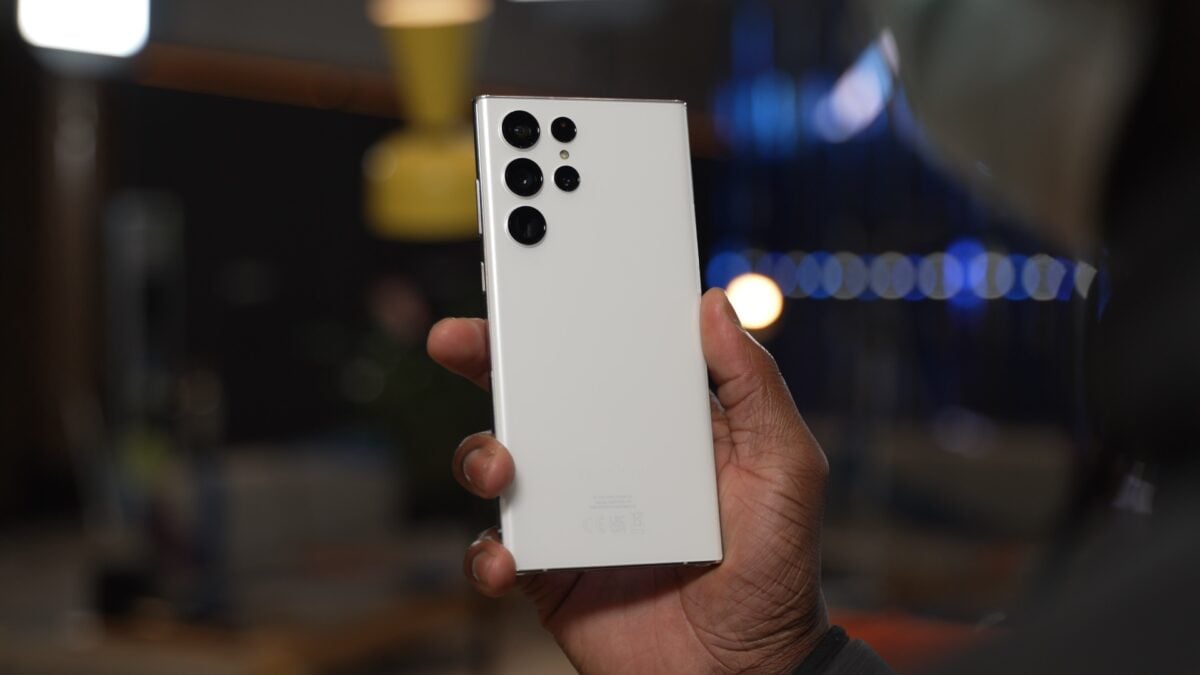
If you bought a Samsung Galaxy S22 back in 2022 and felt like your brand-new flagship was underperforming, you weren't imagining things. And now, four years later, a Seoul court has finally told Samsung to open its wallet.
A Quick Refresher on the GOS Mess
The Game Optimizing Service controversy erupted in early 2022, shortly after the Galaxy S22 series launched. Users discovered that Samsung had pre-installed a service called GOS — Game Optimizing Service — that aggressively throttled CPU and GPU performance across more than a thousand apps. The stated purpose was preventing overheating, which is a legitimate engineering concern. The Exynos and Snapdragon chips in the S22 ran hot, and Samsung needed a way to manage thermals.
But here's where it got sketchy. GOS couldn't be turned off by users. There was no toggle, no setting, no opt-out. Samsung was silently downclocking your expensive new phone without telling you. Worse, independent testers discovered that GOS specifically exempted popular benchmark apps like Geekbench and 3DMark. That meant when reviewers tested the Galaxy S22, they got full, unthrottled performance. When you ran your apps and games at home, you got a deliberately handicapped version.
It was the smartphone equivalent of a car manufacturer rigging emissions tests — showing one set of numbers to the regulators while delivering a different product to consumers. Volkswagen got fined billions for that. Samsung got a lawsuit.
Four Years in Court
In March 2022, 1,882 Korean consumers banded together to file a class-action lawsuit against Samsung. Their argument was straightforward: Samsung advertised the Galaxy S22 with specific performance capabilities that it then intentionally prevented users from accessing, while rigging benchmarks to hide the deception.
The initial ruling was frustrating for plaintiffs. The Seoul court acknowledged that Samsung's advertising 'wasn't entirely truthful and may have misled consumers,' but stopped short of ordering any actual compensation. Yes, you lied. No, you don't have to pay. Not exactly a ringing endorsement of consumer protection.
The plaintiffs appealed, and hearings resumed in December 2025. The appeals court tried a different approach: mediation. Three sessions were held, and three sessions failed. Samsung and the consumers couldn't agree on terms. So the court did what courts do when parties can't play nice — it imposed a ruling.
Samsung Will Pay Up
The Seoul High Court ordered Samsung to compensate the affected Galaxy S22 users, bringing the four-year saga to an end. The plaintiffs originally sought 300,000 Korean won (approximately $200 USD) each. While it's not yet clear whether the full amount will be awarded, the principle has been established: Samsung must pay.
For Samsung, the financial hit from 1,882 plaintiffs at $200 each would be around $376,000 — a rounding error for a company with $230 billion in annual revenue. The reputational damage, however, lingers. The GOS scandal became a touchstone for discussions about manufacturer transparency and consumer rights in the smartphone industry.
Did Samsung Actually Fix the Problem?
To its credit, Samsung responded to the initial backlash relatively quickly in 2022. The company issued a software update that gave users the option to prioritize performance over thermal management in GOS settings. Later Galaxy S-series phones shipped with more transparent thermal management and GOS controls.
But the underlying tension hasn't gone away. Modern smartphones still face thermal constraints, and manufacturers still make trade-offs between advertised peak performance and sustained real-world performance. Samsung just got caught being less honest about it than others.
Key Takeaways
- Seoul High Court ordered Samsung to compensate 1,882 Galaxy S22 users over the GOS throttling controversy
- GOS secretly throttled performance on over 1,000 apps while exempting benchmark tools, inflating review scores
- The lawsuit began in March 2022 after users discovered the hidden throttling
- Three mediation attempts failed before the court imposed a final ruling
- Plaintiffs originally sought approximately $200 each in compensation
Our Take
Four years is a long time to wait for validation that your phone was lying to you. The GOS scandal was genuinely one of the most brazen examples of manufacturer deception in recent smartphone history. Throttling for thermal management is fine — every phone does it. But selectively unthrottling for benchmarks while keeping users locked into reduced performance? That's not thermal management, that's fraud with extra steps. The compensation amount is symbolically important even if it's financially trivial for Samsung. It establishes that courts are willing to hold manufacturers accountable for the gap between advertised and delivered performance. In an industry where every launch event features cherry-picked benchmarks and best-case-scenario demos, that precedent matters more than the dollar amount. Samsung has since improved its transparency around GOS, which is good. But the lesson for every phone maker should be clear: if you're going to throttle, tell people. If you're going to run benchmarks, run them under the same conditions your customers experience. Anything else is just lying with better marketing.


