Jensen Huang Fires Back: 'Gamers Are Completely Wrong About DLSS 5'
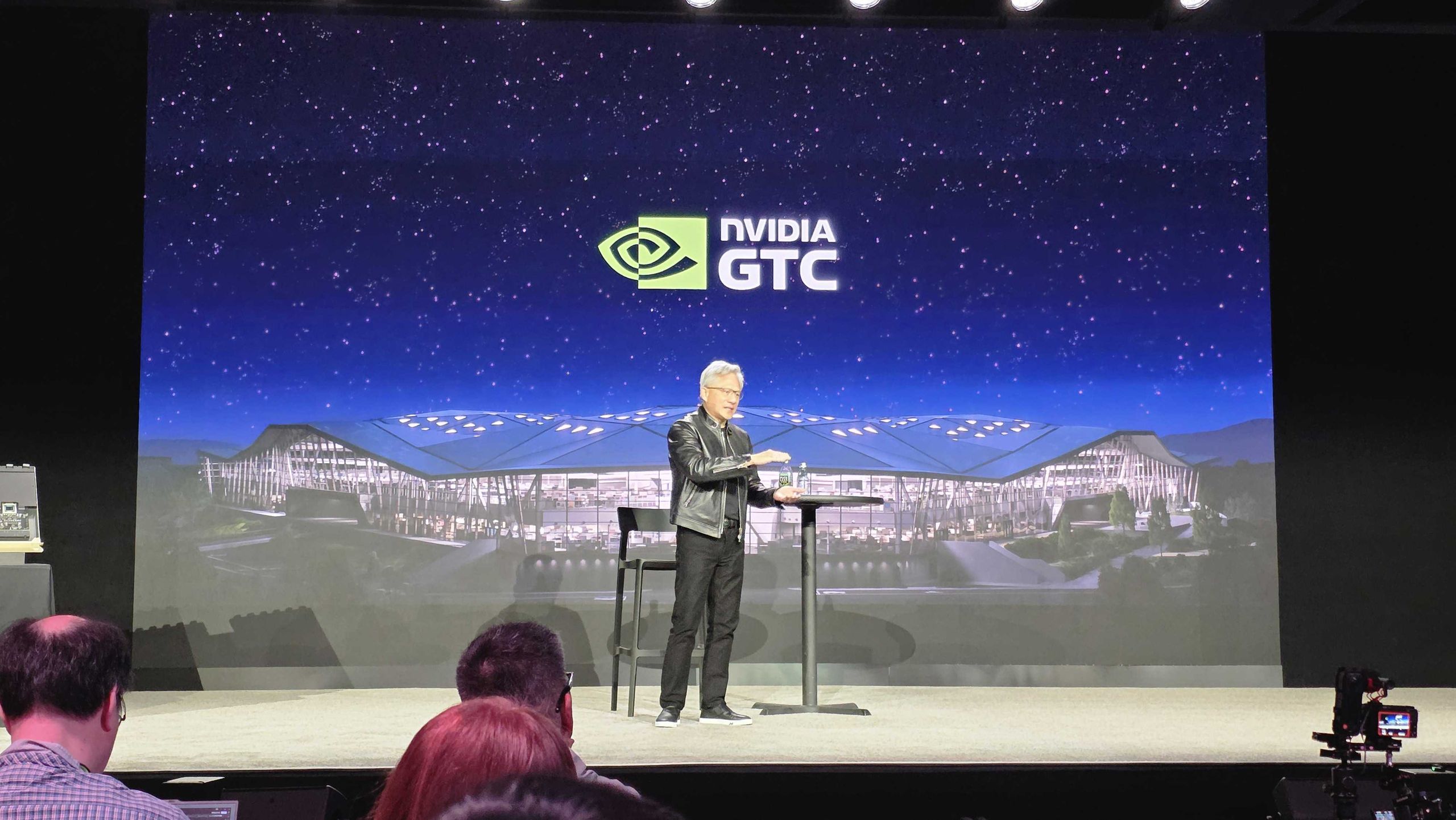
Jensen Huang is not known for pulling punches, and this week he delivered one of his most direct responses to consumer criticism in recent memory. When asked about the backlash against DLSS 5 — NVIDIA's latest AI-powered graphics upscaling technology — Huang didn't mince words: "Well, first of all, they're completely wrong."
The DLSS 5 Controversy
DLSS (Deep Learning Super Sampling) has been one of NVIDIA's most successful consumer AI technologies. Versions 1 through 4 progressively used AI to upscale lower-resolution frames, allowing gamers to enjoy better visuals at higher frame rates. The tech was widely praised.
DLSS 5, however, introduced something more radical: generative AI. Instead of just upscaling existing frames, DLSS 5 can generate entirely new visual elements. And that's where gamers got nervous. The fear is that AI-generated content would replace the precise, intentional work of game artists and developers — that what you see on screen wouldn't be what the developers designed.
Huang's Defense
Huang pushed back hard against this characterization. "The reason for that is because, as I have explained very carefully, DLSS 5 fuses controllability of the geometry and textures and everything about the game with generative AI," he said, emphasizing that game developers can fine-tune how the generative AI behaves.
In other words, Huang argues this isn't about AI replacing the developer's vision — it's about giving developers a more powerful tool. The generative components work within the constraints set by the game's actual assets and geometry, enhancing rather than replacing them.
The tension between "AI as tool" and "AI as replacement" isn't just an academic debate anymore — it's playing out in real-time with products that millions of gamers use daily.
The Bigger Picture
This controversy mirrors broader anxieties about generative AI across every creative industry. When AI can generate content, who controls what gets generated? Huang's answer — that developers maintain control and the AI operates within their constraints — is exactly the right framing. Whether gamers believe it is another question.
Key Takeaways
- DLSS 5 uses generative AI to create visual elements, not just upscale them
- Gamers worry about AI-generated content replacing developer-designed visuals
- Jensen Huang argues developers maintain full control over the generative process
- The controversy reflects broader anxieties about AI in creative fields
Our Take
Huang is probably technically right — DLSS 5 likely does give developers meaningful control over the generative AI components. But "they're completely wrong" isn't exactly the empathetic response that wins hearts and minds. The gaming community's concerns about AI-generated content are legitimate, even if the specific fears about DLSS 5 are overblown. NVIDIA would be better served by showing rather than telling — demo the developer controls, publish the fine-tuning options, let the tech speak for itself.


